
Ian The Chiro  ·  Cheras, Kuala Lumpur  ·  By Appointment  ·  Closed Monday & Thursday
Conditions · Cheras, KL

Back Pain, Slip Disc & Sciatica Treatment in Cheras, KL

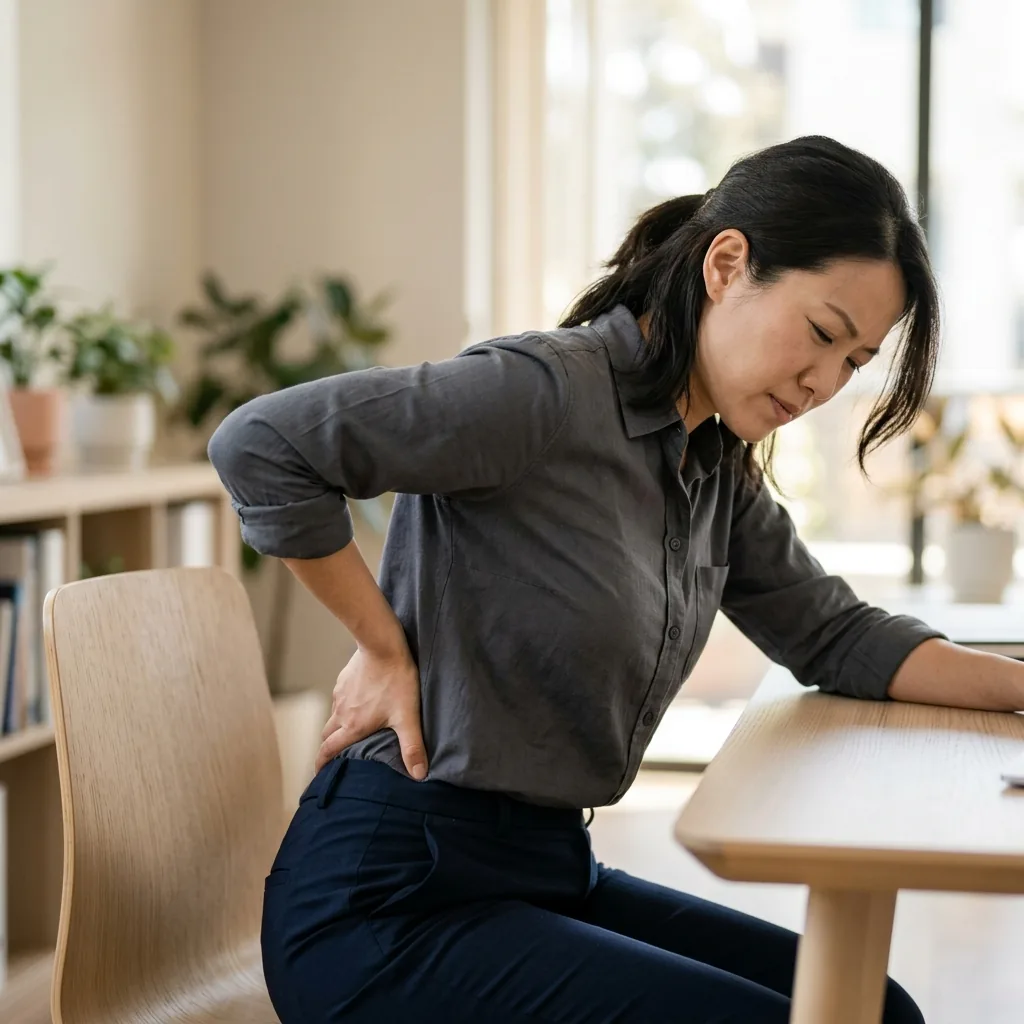
Back pain can be frustrating, especially when it keeps coming back, feels worse after sitting, or starts travelling toward the buttock, hip, leg, calf, or foot.

At Ian The Chiro in Cheras, Kuala Lumpur, we assess your case properly first before deciding whether chiropractic adjustments, dry needling, rehab advice, load management, or another next step makes sense.

Ian performing a back pain assessment in Cheras, KL
Lower back pain
Morning stiffness
Sitting-related back pain
Slipped disc
Disc bulge
Sciatica
Buttock and leg pain
Recurring back stiffness
Different Drivers

Not all back pain needs the same treatment

Two people can both have lower back pain, but the reasons behind the pain may be different. One person may be dealing with joint irritation, another with muscle guarding, another with disc-related sensitivity, and another with load, lifestyle, or recovery issues.

That is why we do not start by assuming every back pain case needs the same adjustment or the same treatment plan.

The first step is to understand how your symptoms behave, what makes them worse, what eases them, and whether your case seems suitable for chiropractic care.

Ready to get your back pain properly assessed?

Most new patients start with a full consultation that includes assessment and, where appropriate, treatment on the same day.

By appointment only. Cheras Business Centre, Kuala Lumpur.

WhatsApp to Book See Pricing First

Medical Caution

Most back pain is not an emergency. Please seek medical review first if your symptoms are linked with major trauma, sudden progressive leg weakness, loss of bladder/bowel control, fever, or unusually severe progressive pain.

Ian's Approach

How Ian thinks through back pain cases

Assess first. Treat only when it makes sense. Explain what to do next.

Ian does not only look at where the pain is. He looks at how the symptoms behave, what makes them worse, what eases them, what your daily routine demands from your back, and whether treatment actually makes sense.

A common pattern Ian sees is lower back pain that feels worse when moving from sitting to standing after long desk hours. In cases like this, the painful area is only one part of the picture. Sitting tolerance, hip involvement, movement habits, and recovery may all matter.

What Ian does not do

  • assume every back pain case is caused by a slipped disc
  • treat MRI or x-ray findings without matching them to symptoms
  • promise a one-session fix
  • adjust every patient the same way
  • force treatment when it does not make sense
Assessment focus

Common back pain and sciatica-related problems we assess

Many patients come in because they are not sure whether their pain is "just back pain", a slipped disc, sciatica, muscle tightness, or something else. That uncertainty is normal.

01

Chronic lower back pain

Chronic lower back pain can become part of daily life so gradually that some people start treating it as normal. It may feel like a dull ache, pressure, tightness, or discomfort that never fully goes away. These cases usually need a clearer look at daily habits, sitting tolerance, movement, work demands, training load, sleep, and recovery.

02

Recurring back stiffness

Some people feel stiff every morning, after sitting too long, after driving, or after work. The stiffness may improve once they move around, but returns again the next day. Recurring stiffness is not always just a "tight muscle" problem. It may involve joint irritation, load tolerance, recovery, movement habits, or repeated positions that keep feeding the issue.

03

Sitting and desk-related back pain

Sitting-related back pain is common for people who spend long hours at a desk, in the car, or working on a laptop. It may feel worse after long periods of sitting and better after standing, walking, or stretching. The goal is not just to say "sit straight". The better question is why your back is not tolerating your current routine well, and what can realistically be changed.

04

Slipped disc, disc bulge & herniation concerns

Many people worry when they hear terms like slipped disc, disc bulge, or disc herniation. These findings can be relevant, but they are not always the whole story. At Ian The Chiro, we do not treat scans alone. We compare your symptoms, movement, daily function, and pain behaviour at the time of assessment to understand whether the disc finding seems clinically relevant.

05

Sciatica-like symptoms

Sciatica-like symptoms may involve pain travelling into the buttock, hip, back of the thigh, calf, foot, or toes. Some people may also notice tingling, numbness, or nerve-like discomfort. These symptoms need proper assessment because not every leg symptom is true sciatica, and not every sciatica-like case should be handled the same way.

What to watch for

What symptoms should you pay attention to?

Back pain and sciatica-related symptoms can show up in different ways. Useful details include where the pain travels, what triggers it, what eases it, and whether it is improving, worsening, or staying the same.

lower back pain
recurring back stiffness
morning stiffness
pain after sitting, driving, or desk work
pain after lifting, training, or bending
pain travelling into the buttock, hip, thigh, calf, foot, or toes
tingling, numbness, or nerve-like discomfort
pain that keeps returning after massage, stretching, or rest
The Process

How Ian assesses back pain, slipped disc and sciatica cases

The consultation is designed to help make sense of what may be driving your symptoms before deciding what care is appropriate.

1

We start with your story

This includes how the pain started, how long it has been there, where it travels, what makes it worse, what makes it better, what you have already tried, and how it affects work, sleep, training, and daily life.

2

We look at how your symptoms behave

Back pain that feels worse with sitting may behave differently from back pain that feels worse with bending, lifting, walking, standing, or training. These patterns help guide the assessment.

3

We assess what seems relevant

Depending on your case, this may include movement assessment, orthopaedic tests, neurological screening, posture observations, and other practical checks.

4

We decide what actually makes sense

Your next step may involve chiropractic adjustments, dry needling, rehab advice, activity changes, load management, referral, or simply clearer recommendations on what to do next.

Options for care

What treatment may involve

Treatment depends on what is suitable for your case. Not every back pain case needs adjustment, and not every sciatica-like case should be treated the same way.

01

Chiropractic adjustments

Chiropractic adjustments may be used when joint restriction, movement limitation, or mechanical irritation seems relevant and when it is appropriate for your case.

Learn More About Adjustments →
02

Dry needling

Dry needling may be considered when muscle tension, trigger points, or muscle guarding seem to be contributing to the back pain or related symptoms.

Learn More About Dry Needling →
03

Advice, rehab direction & load management

For many chronic or recurring cases, the long-term result depends on more than what happens during the appointment. Work habits, sitting tolerance, training load, sleep, recovery, and daily movement may need to be addressed.

04

Referral or medical co-management

If your case does not seem suitable for chiropractic care, or if further medical assessment is more appropriate, we will explain that clearly.

Can chiropractic care help slipped disc or sciatica?

It depends on the case. Some slipped disc, disc bulge, disc herniation, or sciatica-like cases may respond well to conservative care, while others may need medical review, imaging, medication, or specialist input.

The important thing is not to assume based on the label alone. The consultation helps us decide whether your case seems suitable for chiropractic care, what risks need to be considered, and what the next step should be.

What if I already have an MRI or x-ray?

If you already have an MRI, x-ray, or medical report, you can bring it along. It may be useful, especially if you have been told you have a slipped disc, disc bulge, spinal degeneration, or narrowing.

That said, scans do not always explain everything by themselves. We still need to compare the findings with your symptoms, movement, daily function, and pain pattern.

Is This Right For You?

Who this is — and is not — for

This may not be the best fit if you…

  • Only want a quick crack without assessment
  • Expect a guaranteed "disc cure"
  • Have urgent symptoms that should be checked medically first
  • Do not want to consider any lifestyle, work, training, or recovery factors

This may be a good fit if you…

  • Have chronic lower back pain
  • Feel stiff in the morning or after sitting
  • Have pain travelling into the buttock, hip, leg, calf, foot, or toes
  • Suspect your pain may be disc-related
  • Have tried other treatments but still feel unclear
  • Want proper assessment before deciding on treatment
  • Are willing to make practical changes if needed
Transparent Pricing

Back pain treatment near Cheras

If you are searching for back pain treatment near Cheras, the best starting point is usually a proper consultation.

From there, we can assess whether your back pain, slipped disc concern, disc bulge symptoms, or sciatica-like pain is suitable for care at Ian The Chiro.

See Full Pricing
First Visit

First Consultation

RM150 / session

Includes full history, movement assessment, orthopaedic/neurological checks, and same-day treatment if appropriate.

WhatsApp to Check Suitability
Common Questions

Common questions about back pain, slip disc & sciatica

Short answers to common questions people ask before booking a consultation for back pain, slipped disc concerns, or sciatica-like symptoms.

No. A slipped disc, disc bulge, or disc herniation can be relevant, but it is not always the main reason for back pain. Some cases are more related to joint irritation, muscle guarding, load tolerance, sitting habits, training load, or recovery issues.

That is why we do not treat the scan or label alone. We compare your symptoms, movement, daily function, and pain behaviour before deciding what makes sense.

Usually, no. Most people do not need to get an MRI or x-ray before the first consultation. If you already have a scan or medical report, you can bring it along.

If imaging seems necessary, Ian will explain why, what kind of scan may be relevant, and when it makes sense.

An MRI finding does not automatically mean the slipped disc was the main cause of your pain at the time you were assessed. Disc bulges, disc herniations, and degenerative changes can sometimes appear on scans even when they do not fully match the person's symptoms.

That is why Ian compares scan findings with your pain pattern, movement, daily function, and how your symptoms behave during assessment. If your symptoms change later, it is worth updating us or getting reassessed so the next step can be decided properly.

Back pain that feels worse after sitting may be related to how your back tolerates sustained positions, disc-related sensitivity, joint irritation, muscle guarding, or overall load and recovery.

The goal is not just to tell you to sit straight. The better question is why your back is not tolerating your current routine well, and what can realistically be changed.

Yes, recurring back pain can still be worth assessing even if it is not painful all the time. Patterns like morning stiffness, pain after sitting, or pain that returns after work, training, or driving can still give useful clues.

The consultation helps us understand why it keeps coming back and what may need to change so you are not just waiting for the next flare-up.

Yes, sciatica-like symptoms can sometimes travel into the buttock, hip, thigh, calf, foot, or toes. Some people may also notice tingling, numbness, or nerve-like discomfort.

These symptoms should be assessed properly because not every leg symptom is true sciatica, and not every sciatica-like case should be managed the same way.

Sometimes yes, sometimes no. It depends on what is appropriate after assessment. If chiropractic adjustments make sense for your case, they may be included. If they are not suitable that day, treatment does not need to be forced just because you booked a consultation.

Ian cannot responsibly advise yes or no to surgery through WhatsApp or based on an MRI alone. Surgery decisions should be discussed properly with the hospital doctor or specialist managing your case.

What Ian can help with is explaining how the scan findings may relate to your symptoms, what questions to clarify with your doctor, and whether non-surgical care still seems appropriate based on your presentation.

See All FAQs

Ready to get your back pain properly assessed?

If you are dealing with back pain, slipped disc concerns, disc bulge symptoms, or sciatica-like pain that keeps coming back, start with a consultation.

You do not need to know exactly what treatment you need before booking. We will assess first, explain clearly, and decide what makes sense based on how your symptoms present at the time.